01
Problem
What broke under resistance?
My guard frame held for two seconds, then the shoulder pressure flattened me.
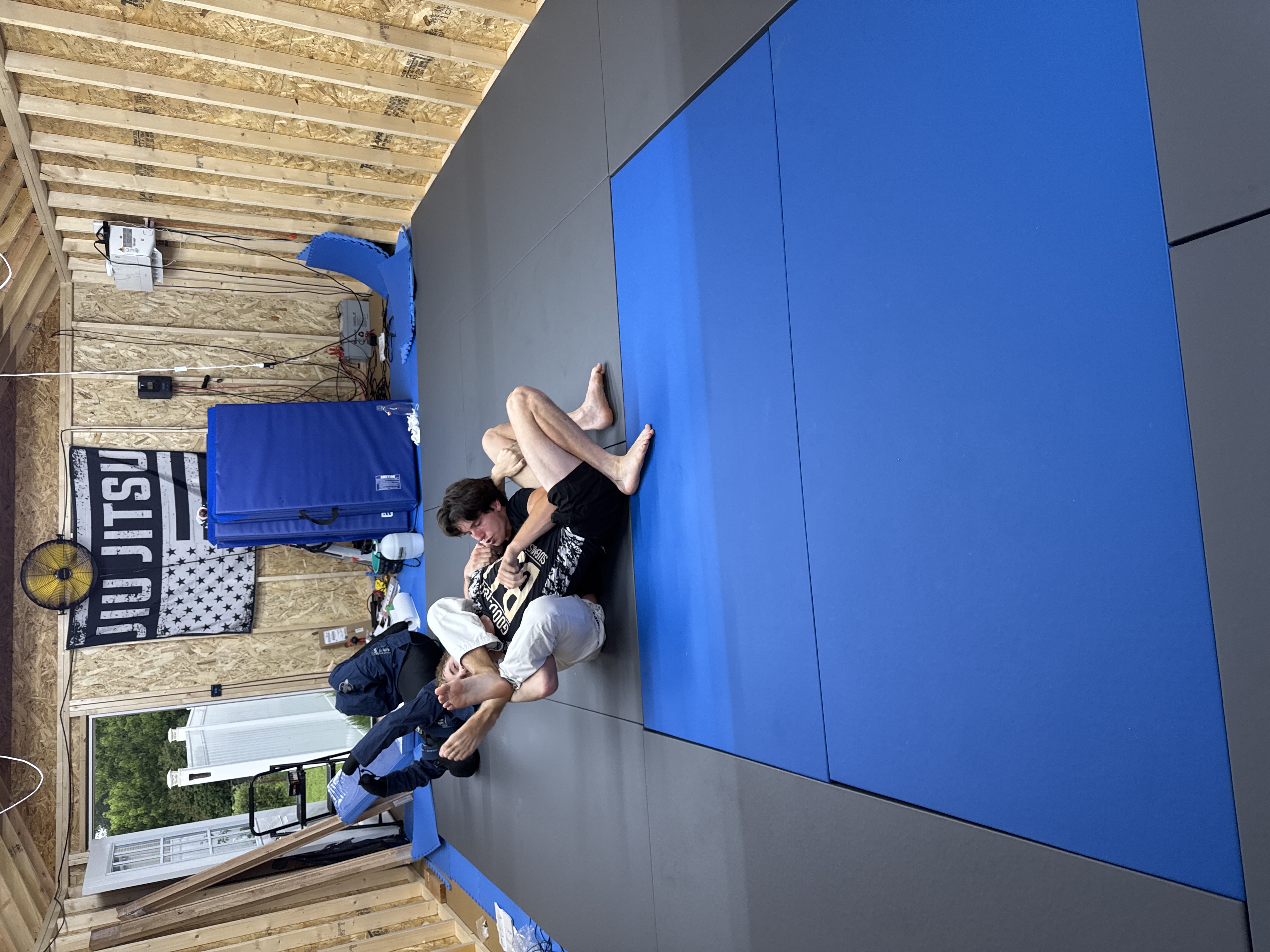
Barnyard Brawlers // hand-to-hand research
The Lab is a small jiu-jitsu workshop where hard rounds become experiments: we start with live problems, test ideas against resistance, tell the truth about what failed, and help each other build better games.
Study. Test. Fail. Learn. Repeat.
// method
The Lab treats jiu-jitsu like live research. We do not collect moves for the sake of collecting moves. We isolate what broke, test an explanation, and keep repairing until the idea survives resistance.
01
A pass stalls, a guard collapses, a reaction chain breaks.
02
Someone proposes what is missing: timing, angle, weight, reaction, or decision.
03
We repeat the idea enough times to isolate the detail from the noise.
04
A partner pushes back with different bodies, reactions, intensity, and strategy.
05
We keep what survives, change what fails, and bring the result back next round.
// house rules
The best idea in the room earns attention by surviving contact with real partners. Rank informs the discussion. Evidence runs the room.
A pass stalls, a guard collapses, a reaction chain breaks.
Compliant drilling is rehearsal; live friction is the test.
Rank informs the room. Evidence runs the room.
No guru theater. No attendance politics. Improvement or nothing.
// pressure testing
Compliant drilling is rehearsal. Live friction is the test. A technique only becomes useful after it survives someone trying to stop it.
The goal is not to prove a move works. The goal is to discover where it breaks, why it breaks, and what repair actually holds up when the round gets honest.
Pressure variables
// this week's experiment
Friday Rob Biernacki study block
Friday is the primary study block. We take one live problem, isolate it, drill the repair, then let resistance tell us what is real.
Problem
We get to the back, chase hooks too early, and lose the chest-to-back connection before the finish is real.
Hypothesis
If the hands win the first exchange and the chest stays glued, the hooks become support instead of a desperate chase.
Start
Seatbelt or near-seatbelt connection with one hook missing and the partner already turning.
Resistance
Partner tries to clear the top hand, slide shoulders to the mat, and turn back inside.
Watch
Count how often the first hand fight decides the rest of the exchange.
// lab notebook
The notebook keeps the room honest. If a round teaches something, it should be clear what broke, what we tested, what failed, and what survived.
01
What broke under resistance?
My guard frame held for two seconds, then the shoulder pressure flattened me.
02
What do we think is missing?
The frame is late because the hip angle is already dead.
03
How did we isolate it?
Start from half guard with the passer already chest-heavy and score the first hip escape.
04
Where did the idea crack?
When the top player switched hips, the bottom knee stopped tracking the inside space.
05
What adjustment gets another trial?
Move the knee before the frame extends, then attach the elbow to the rib line.
06
What can go back into live rounds?
The early hip angle mattered more than the grip choice.
// research queue
Good training questions come from bad rounds. The queue is where we keep the problems that need bodies, resistance, and another look.
Bottom half guard
Start already pinned and measure whether hip angle or hand placement changes the escape.
Back control
Begin with one hook missing and score chest connection before chasing lower-body control.
Front headlock
Add tripod recovery as the first partner reaction and track head height.
Passing
Begin from knee-shield distance and compare shoulder line, hip line, and foot position.
Leg entries
Freeze the first turn and test whether knee line, heel line, or hip clamp failed first.
// systems map
The Lab tracks positions as connected systems: what starts the exchange, what reactions matter, and where the next repair should happen.
Frames, hip angle, knee line, and the moment before the pass becomes settled.
2 live questions
Connection, angle changes, body weight, and clearing the last inside space.
2 live questions
Chest connection, hand fighting, chair-sit routes, hooks, and finish reliability.
2 live questions
Head height, shoulder pressure, spin timing, and go-behind choices.
2 live questions
Early frames, breathing room, inside position, and recovering a usable guard.
2 live questions
Knee line, hip clamp, heel exposure, safe turns, and clean exits.
2 live questions
// first time
The Lab is small, direct, and built around honest rounds. You do not need to perform; you do need to pay attention, protect your partner, and bring a real problem to test.
first-time visitor notes01
Warm up, talk through the problem, then get to useful reps quickly.
02
Ask questions when a detail is unclear; silence helps nobody learn.
03
Tap early, reset clean, and keep the room sharp enough for tomorrow.
04
Intensity rises by agreement, not surprise.
// weekly rhythm
Weekly training at the barn. Monday and Tuesday are lab nights, Thursday and Saturday are open mats, and Friday is where one idea gets worked from concept to resistance.
Next primary session
Friday at 7:30 PM
Rob Biernacki Instructional at the barn in Elizabethtown, PA.
Monday
6:00 PM
Lab Night
Tuesday
6:00 PM
Lab Night
Thursday
6:00 PM
Open Mat
Friday
7:30 PM
Rob Biernacki Instructional
Saturday
6:00 PM
Open Mat
On Fridays we work through a Biernacki concept, system, or lesson, troubleshoot it, drill it, pressure test it, and see how it fits into our games.
Location: the barn, Elizabethtown, PA. No fees, no sign-up - just show up.
// come train with us
If you want to visit, start with the weekly rhythm, then leave a name and a way to reach you below. Keep it casual: a training question, an open mat, or one Friday study block is enough.
01
Friday is the primary study block.
02
A bad round gives us better work.
03
Email or SMS heads-up is enough.
// recent mat notes
Notes from the room: problems, experiments, repairs, and the parts of our games that held up under resistance.
// the room
The Lab is not theoretical. It is a barn with mats, wall pads, tired people, stubborn problems, and rounds that tell on you.
all photos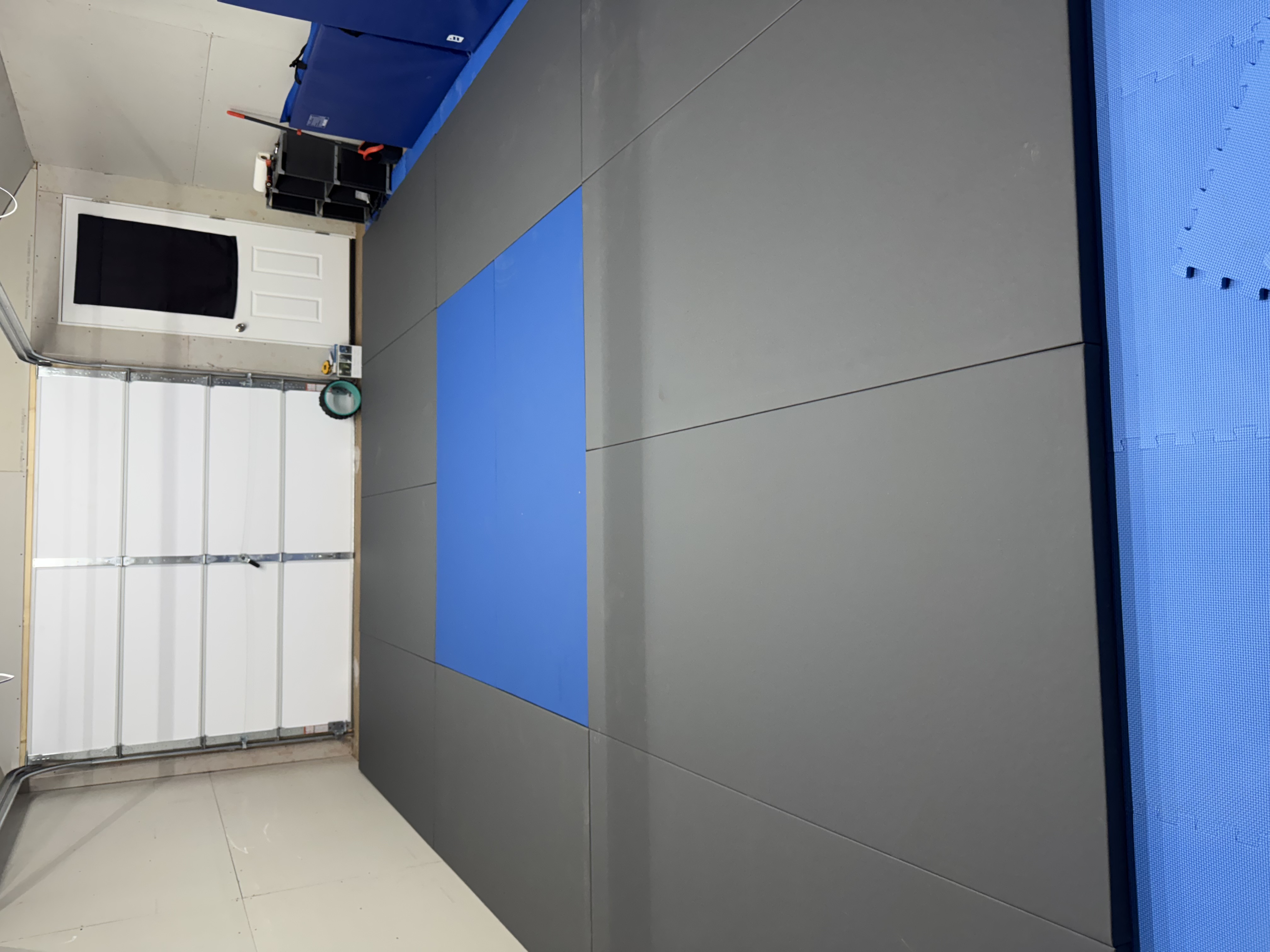
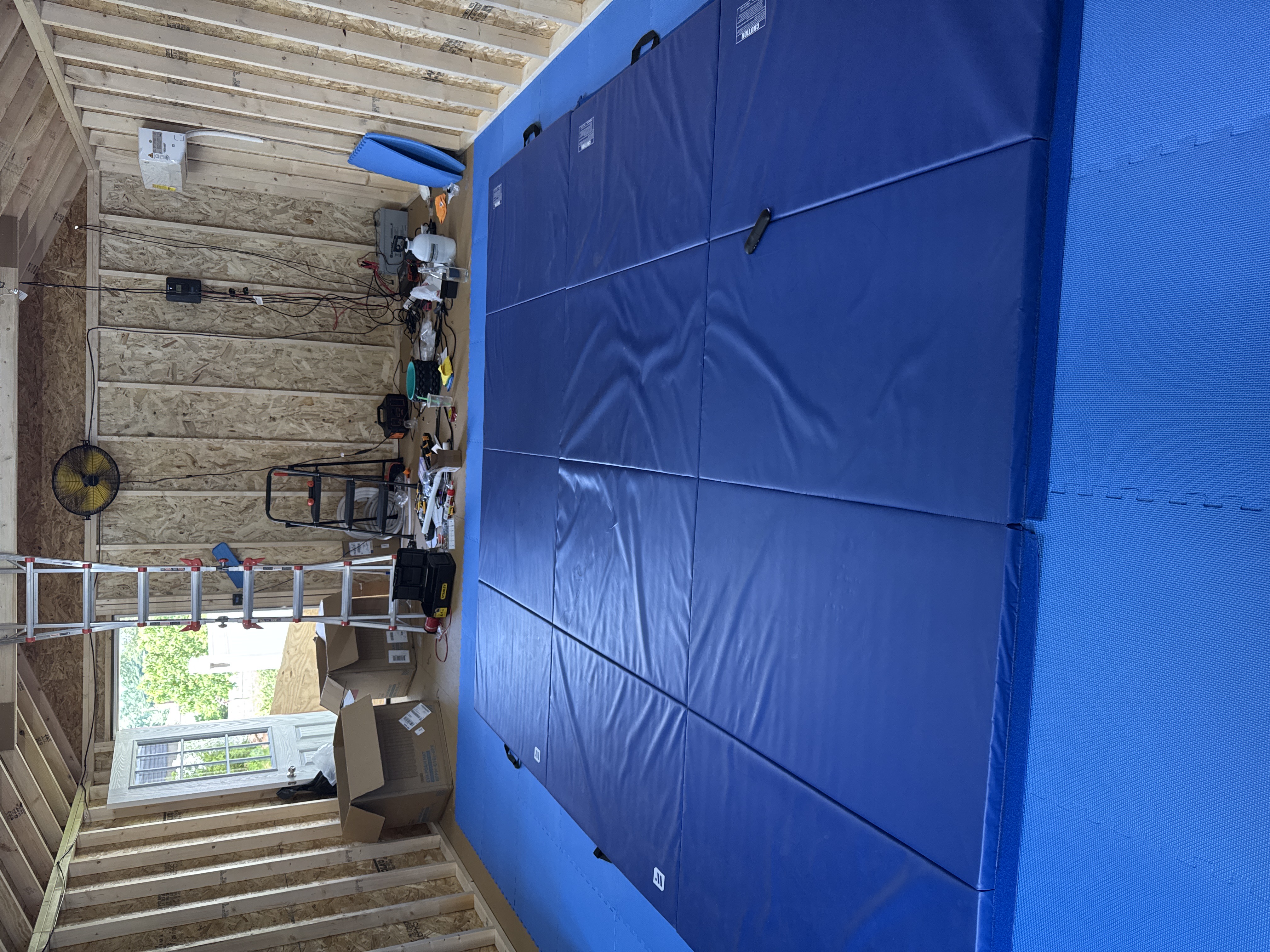
// signal
Subscribe for a heads up when The Lab is open, when Friday's study topic is set, or when a live problem needs more bodies on the mats.